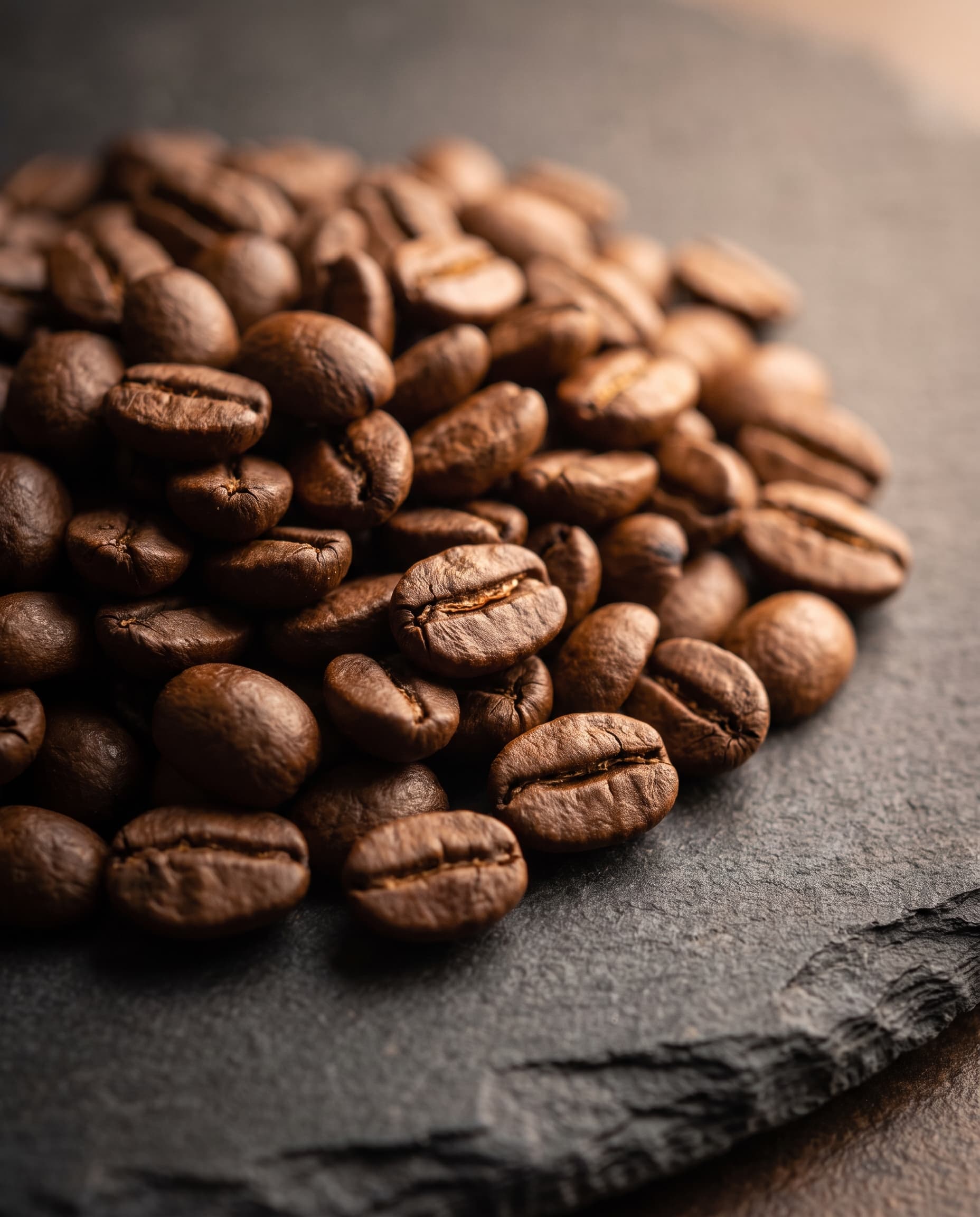
Specialty
The bean speaks for itself
- Origin
- A specific farm or cooperative
- Quality
- 80 points or more at cupping
- Roast
- Recent, tailored to the bean
- Flavour
- Its own notes: fruit, flowers, chocolate
- Producer
- Often negotiated directly with the producer
Home / Specialty coffee
Measured quality, traceable origin and a roast that respects the bean. Everything you need to know, explained without jargon.
Definition
Three keys define it. Pick one and check it for yourself.
1.Coffee that scores 80 points or more out of 100 in the professional cupping of the Specialty Coffee Association (SCA).
In addition, defects take points off: a cup with flaws scores lower. Move the slider and see what each score means.
The classic 100-point scale. The SCA has introduced a new method, the CVA, but this scale is still widely used in the coffee trade.
/100
Very good · already specialty coffee
Clean, sweet and with a recognisable character.
2.Beans with a traceable origin: the farm, altitude, variety and process are known.
Tap each detail on the label and find out what it tells you. That way you will be able to read any bag.
Example label. It does not correspond to a real lot.
Where it was grown. The more specific, the better the traceability.
3.Coffee roasted to show its own flavour, not to hide it.
Not to be confused with torrefacto: coffee roasted with sugar, very common in Spain, that darkens the bean and masks its flavour.
You know who grew it, where and how. It is the basis of trust and of a fairer price at origin.
Trained tasters score it with a common protocol. Only from 80 points is it considered specialty.
It is roasted in small batches and is best enjoyed in the weeks after roasting.
Eight stops on a single line. This is how coffee travels before it reaches your table.
Coffee grown at altitude, on farms with their own names.
Only ripe cherries are picked, often by hand.
Washed, honey or natural: the method shapes the flavour.
The beans travel in sacks and are cupped before buying.
A tailored profile for each origin, in small batches.
Just before brewing, adjusted to each method.
Recipe, ratio and time: espresso, V60, Chemex or AeroPress.
Aroma, acidity, sweetness and body. End of the journey.
Move the slider and see how the bean and its flavour change with the roast level.
It smells of grass and grain.
Compare
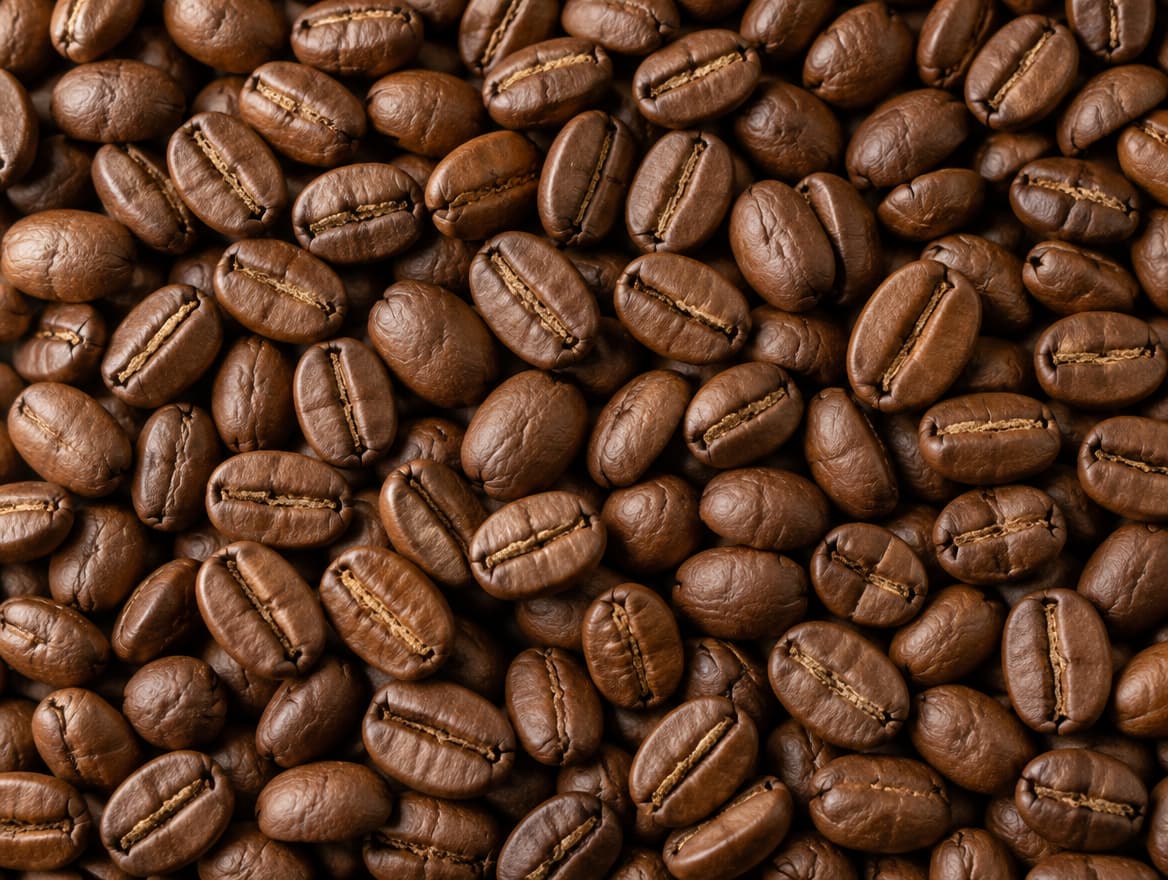
Three ways to get to your cup. Drag the photo and see the difference in the bean.
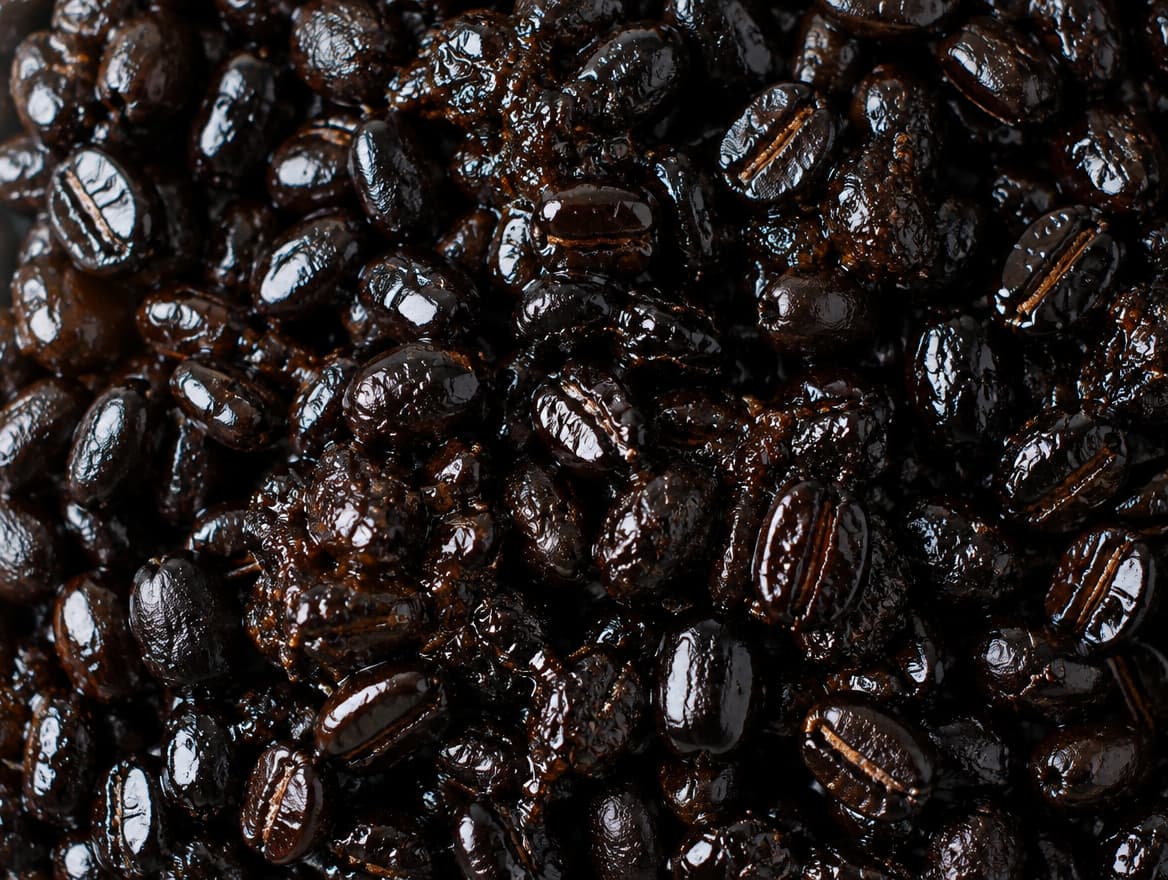
Specialty
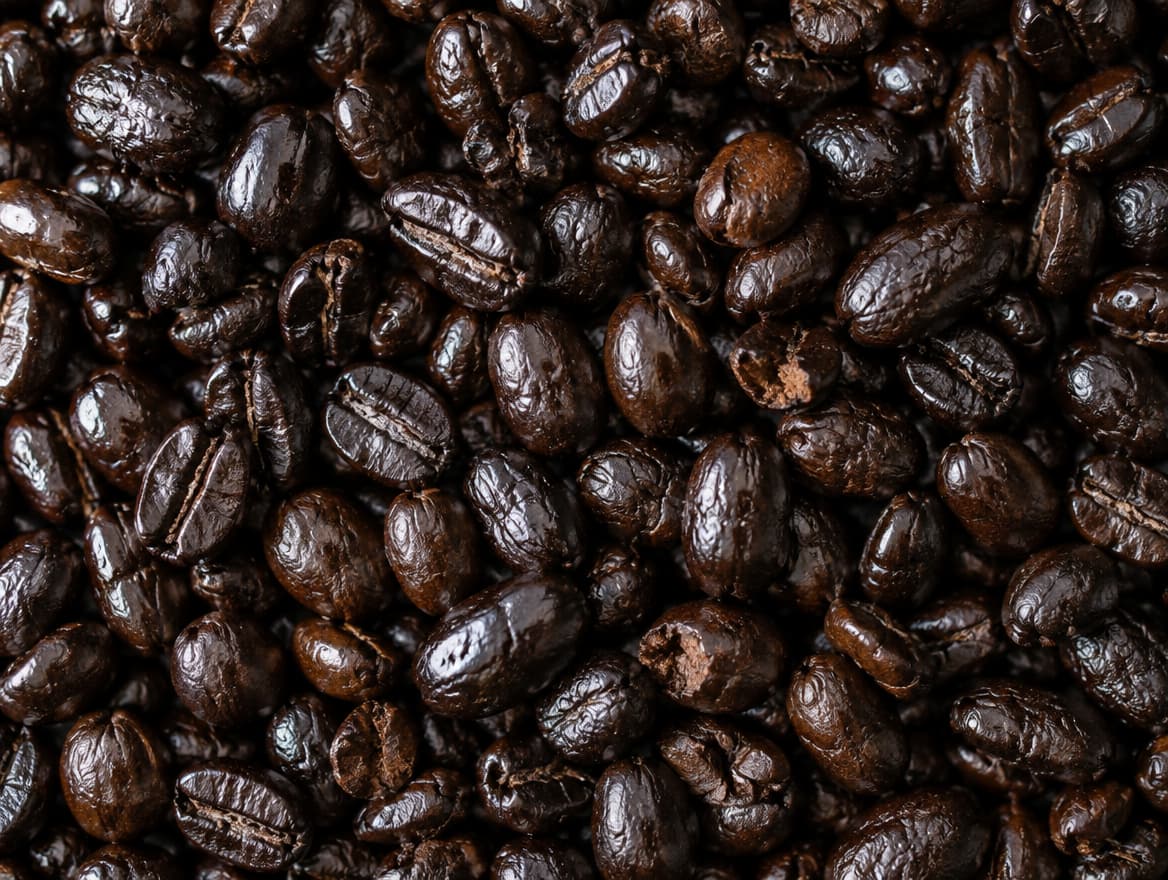
Commercial
Torrefacto
Hover over a row to see it in all three coffees at once.
General trends, not specific brands. AI-generated images.
Glossary
10 terms
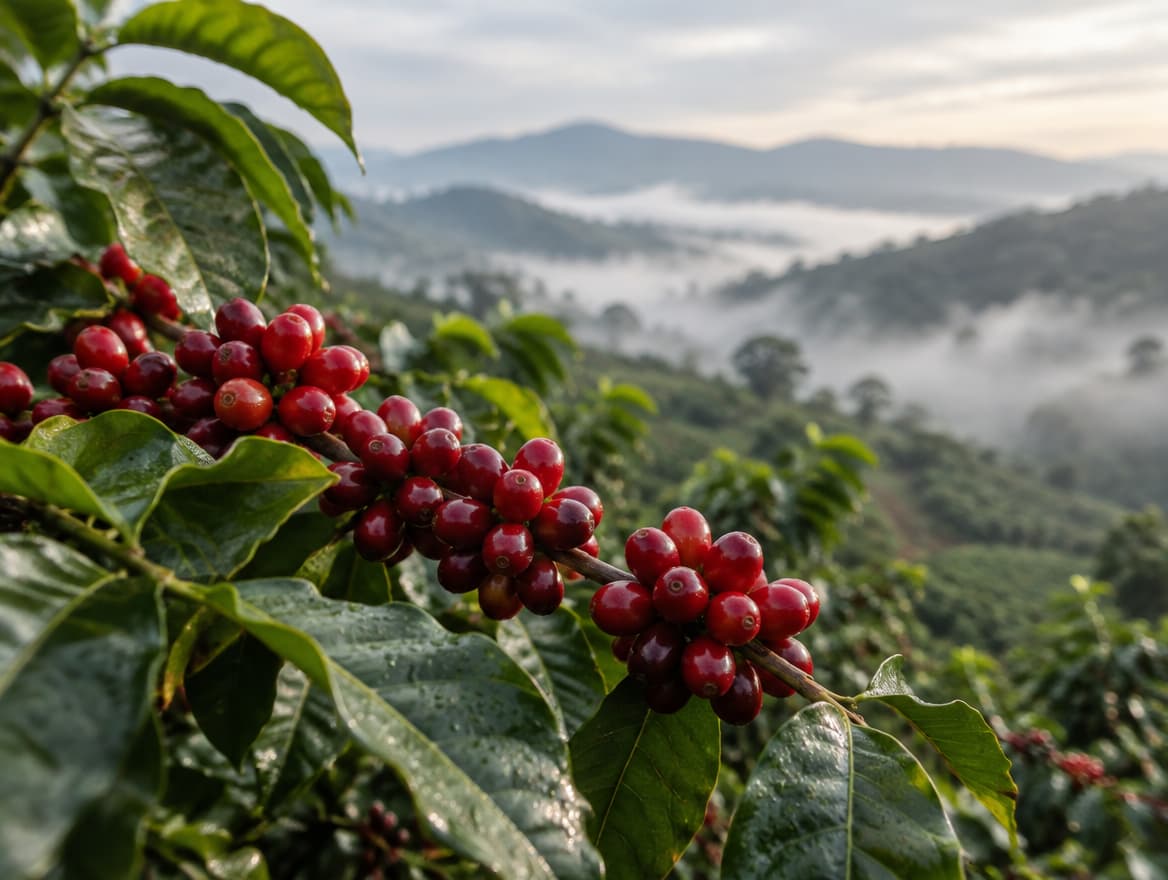 Origin
 and process
Country, region and farm where the coffee was grown. The more specific, the better the traceability.
Origin and process
The type of coffee plant. Each variety brings a different profile.
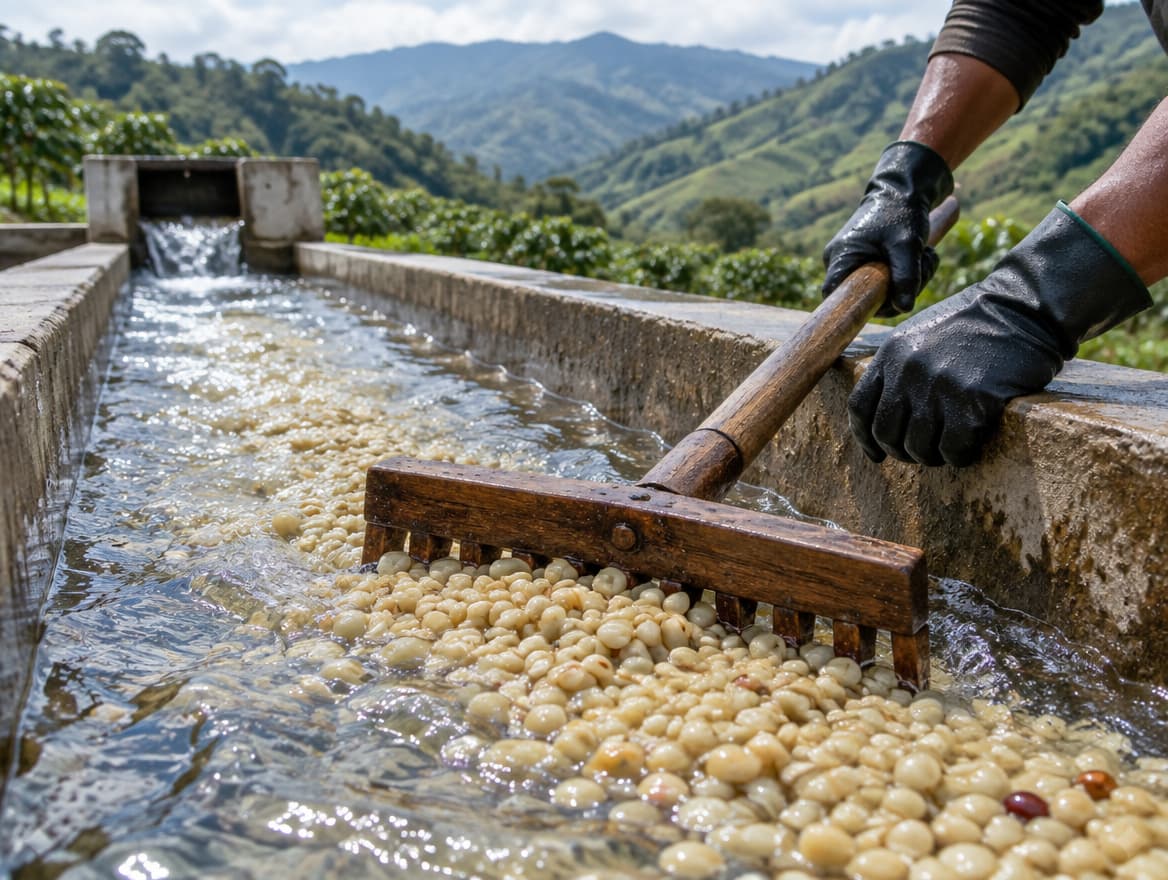 Washed
Origin and process
The pulp is removed before the bean is dried. It gives clean cups and bright acidity.
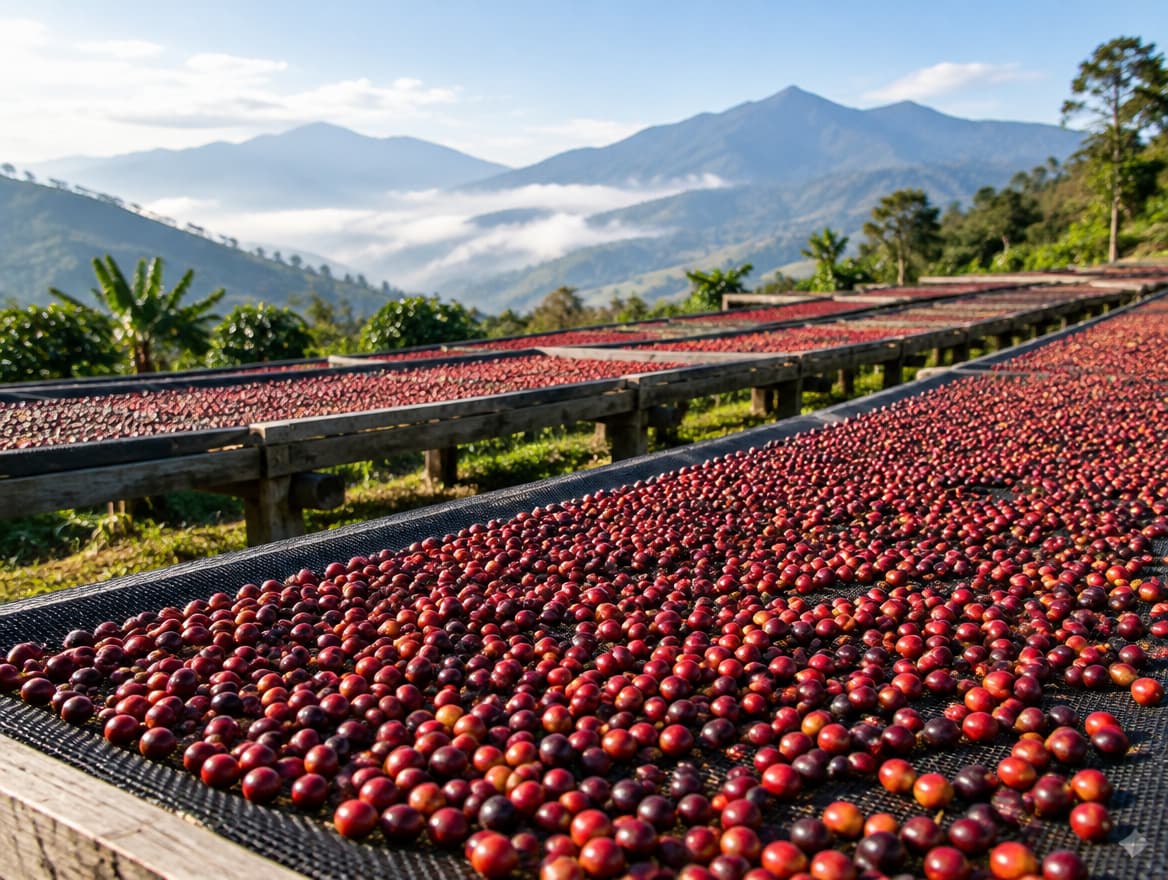 Natural
Origin and process
The bean is dried inside the cherry. More body and notes of ripe fruit.
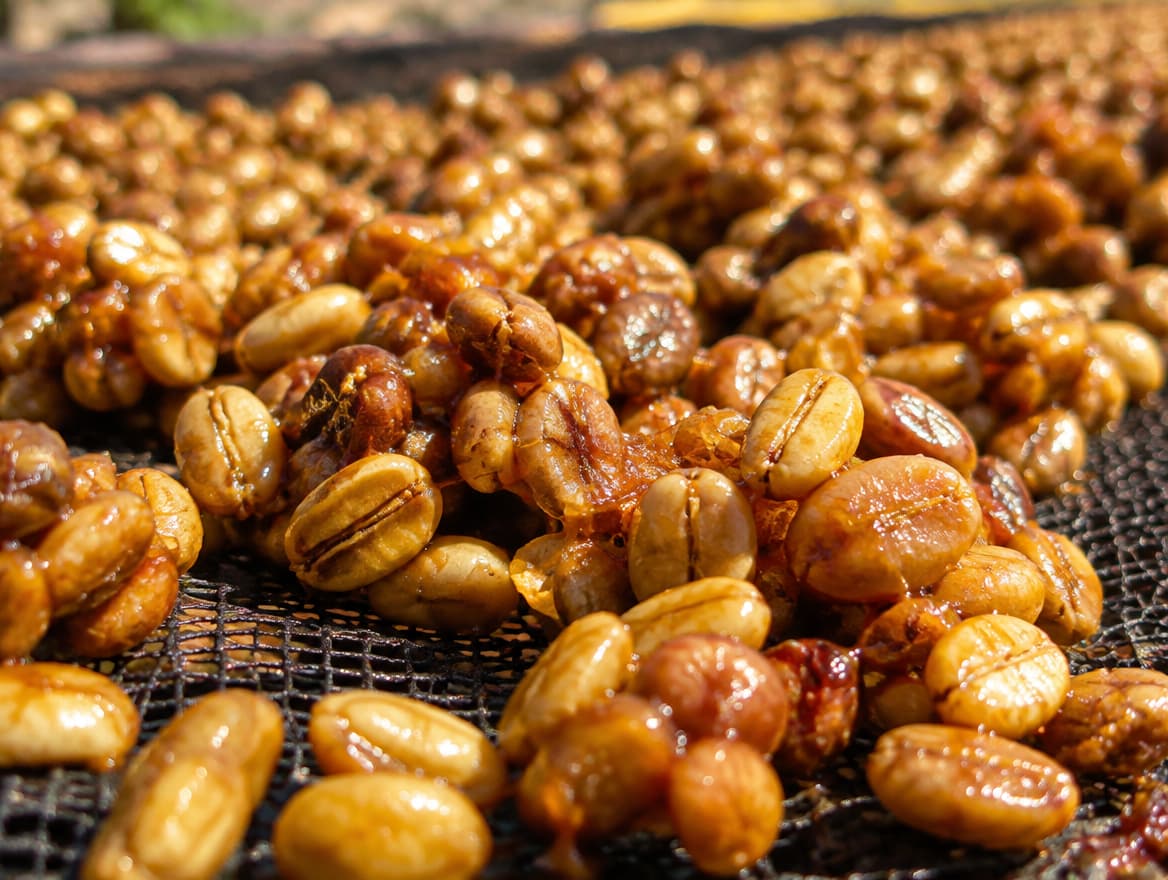 Honey
Origin and process
The skin is removed but part of the mucilage is left on. Sweetness and balance.
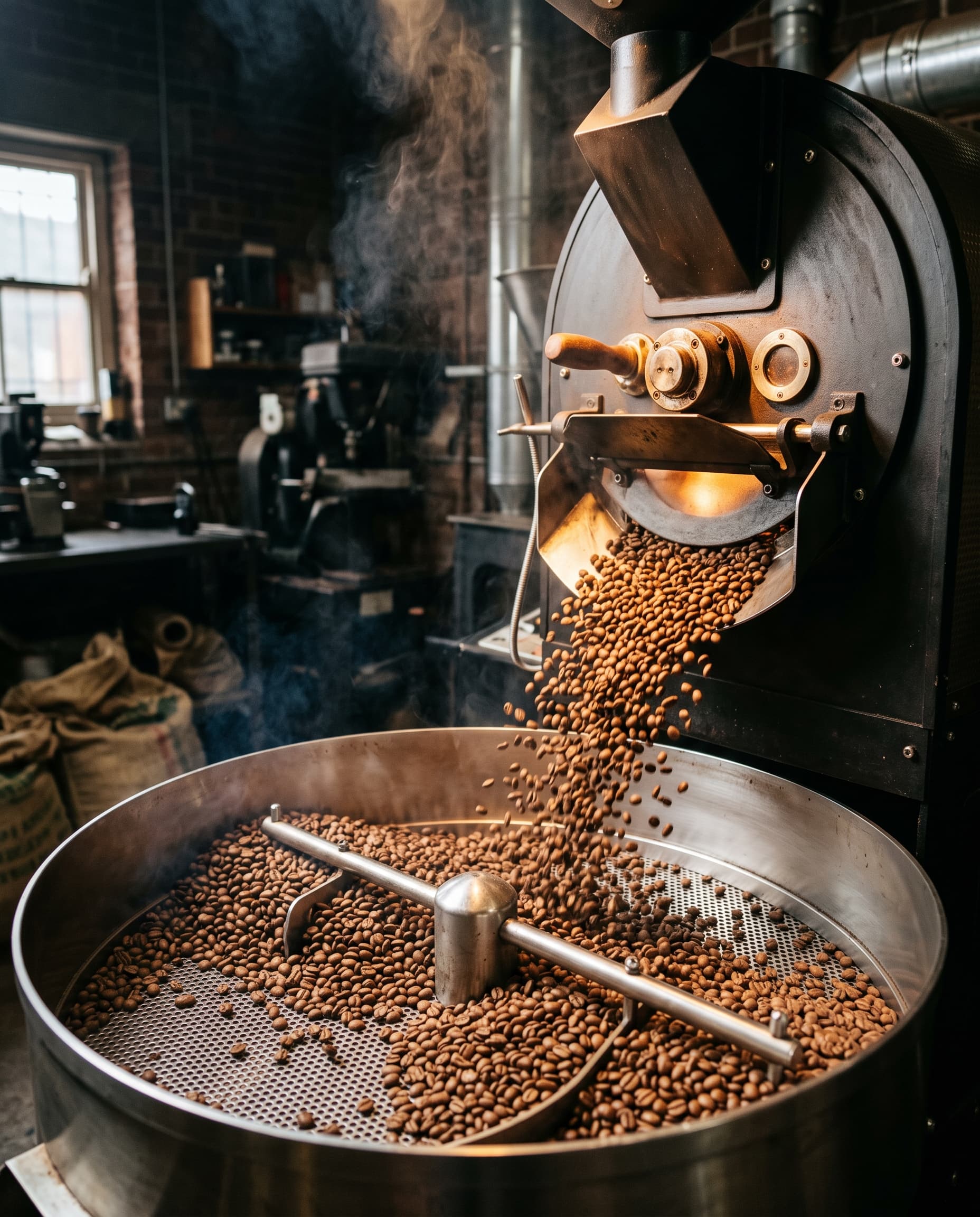 Roast
Roast and brewing
Heat that transforms the green bean and develops aroma and flavour. Each origin calls for its own profile.
Try the roast simulator →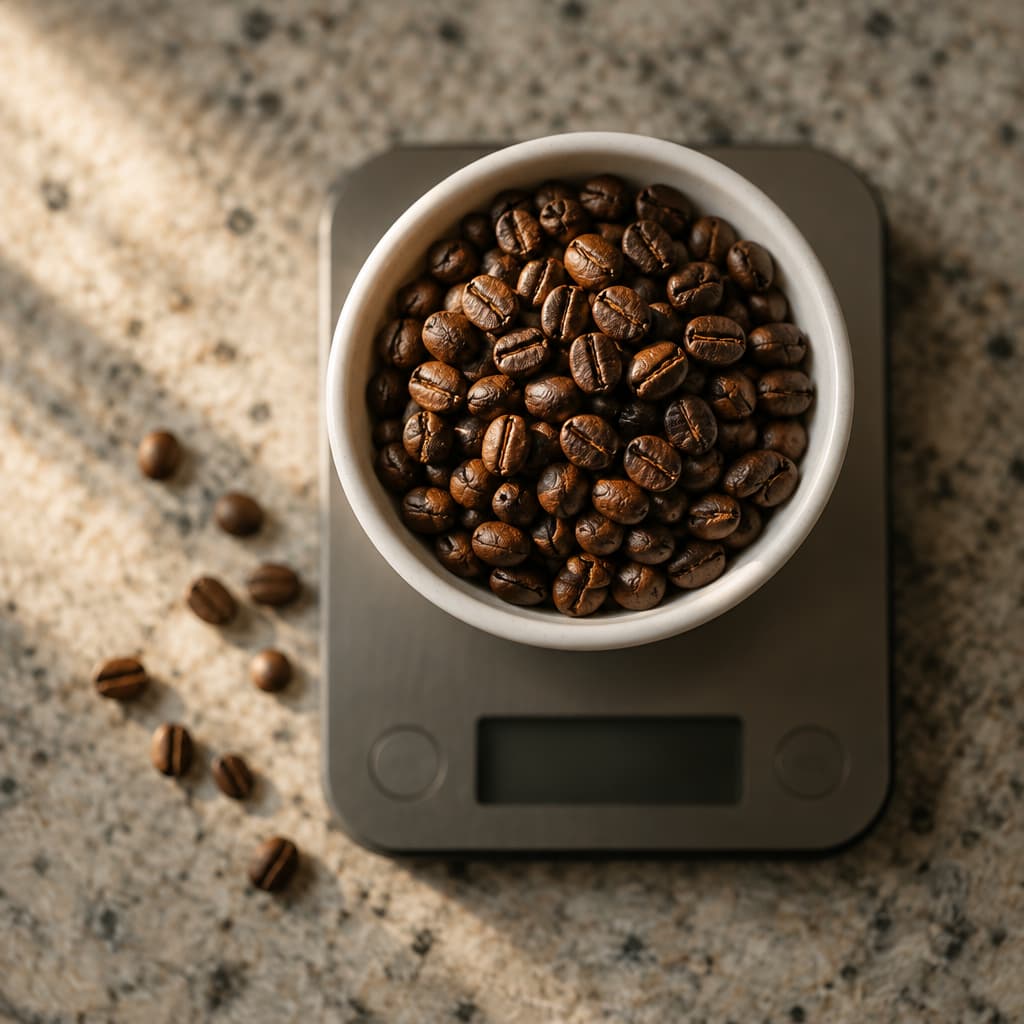 Ratio
Roast and brewing
The relationship between coffee and water. For example, 1:16 means 16 g of water for every gram of coffee.
Work out your ratio →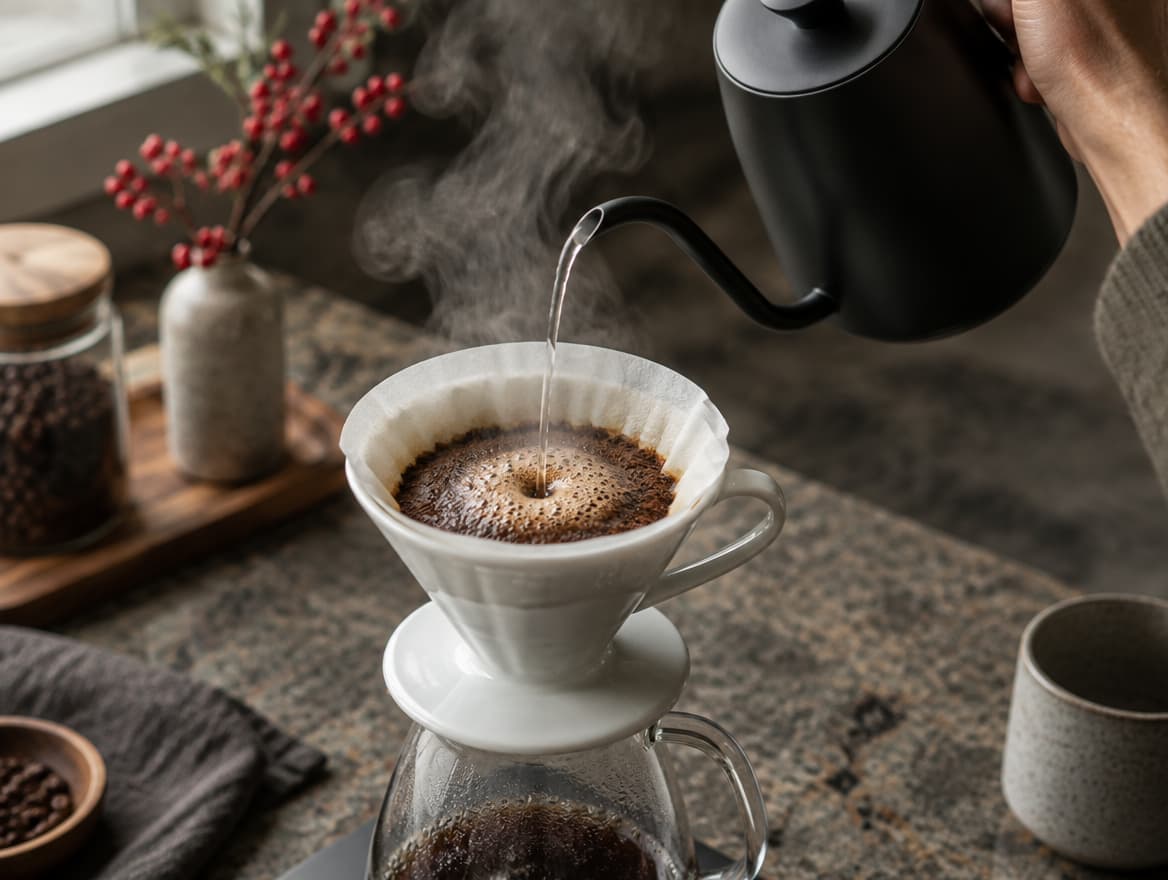 Extraction
Roast and brewing
How much flavour we take out of the ground coffee. Too little: it tastes sour. Too much: it tastes bitter.
See brewing methods →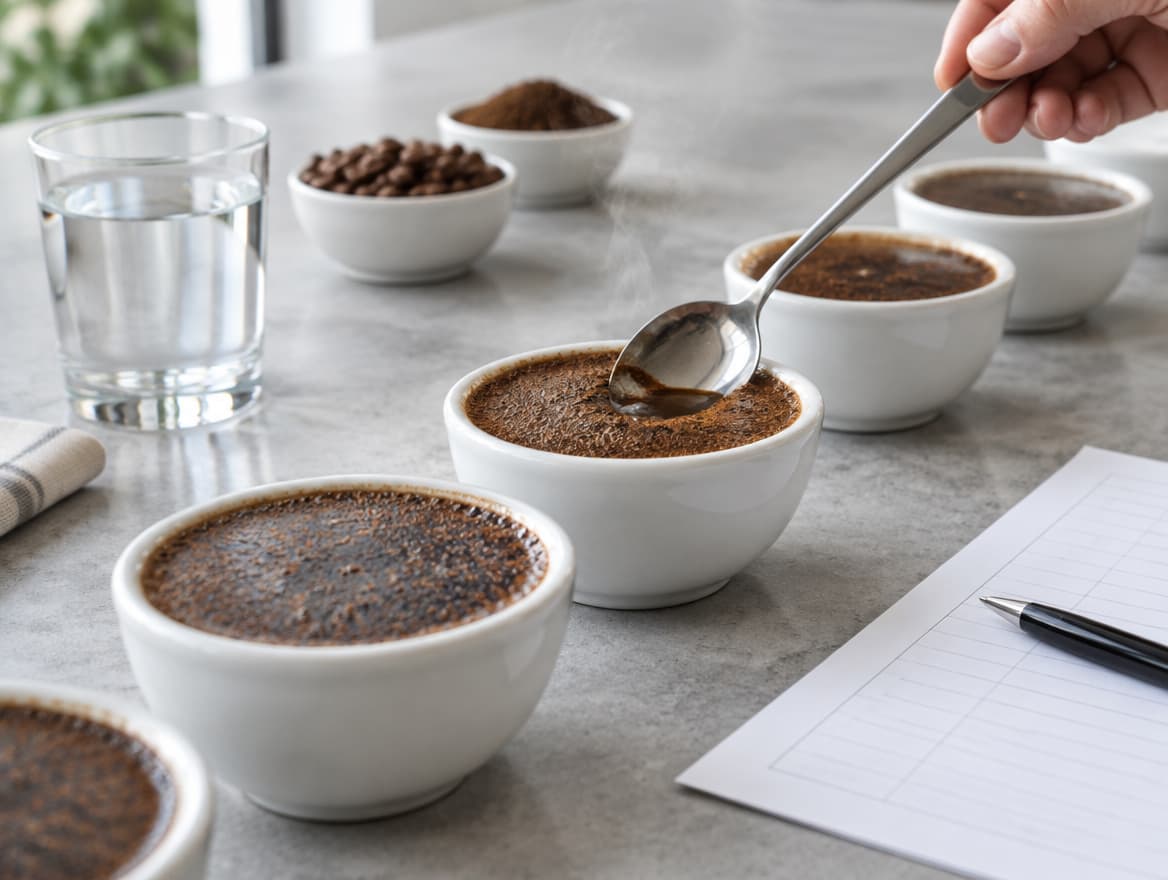 Cupping
Quality
Professional evaluation of coffee with a fixed protocol to score aroma, flavour, acidity and body.
See the points scale →Quality
Specialty Coffee Association, the association that defines the standards for specialty coffee.
No results. Try another word.